



hot rolled strip
Hot Rollers The Art and Science of Hot Rolling Hot rolling is a metalworking process that takes place at elevated temperatures, typically above the recrystallization temperature of the material. This technique is commonly used for shaping and forming various metals into desired shapes and sizes. Among the machinery integral to this process are hot rollers, which play a critical role in manufacturing steel sheets, plates, and other components essential for construction, automotive, and many other industries. The Process of Hot Rolling Hot rolling involves feeding metal, typically steel or aluminum, into rollers at high temperatures. The metal is heated up to its crystallization temperature in a furnace before entering the rolling mill. Once it reaches the correct temperature, it is passed through a series of rollers, which apply immense pressure to reduce the thickness of the material. The primary advantage of hot rolling is that the metal can be formed into a variety of shapes while remaining malleable, creating stronger materials and reducing the need for additional processing. The hot rolling process can be broken down into several stages. Initially, the raw metal is prepared and heated. Once heated, the metal is passed through roughing stands to decrease its thickness before being further refined in finishing stands, where it reaches its final dimensions. The final product can range from sheets and plates to structural beams, depending on the requirements of the end user. Advantages of Hot Rolling The hot rolling process offers numerous advantages over other metalworking methods. Firstly, because the metal is worked while hot, the deformation is more easily achieved compared to cold rolling. This results in less energy consumption and faster processing times. Additionally, hot rolling helps to eliminate defects and improve mechanical properties, such as toughness and ductility, making it a preferred method in industries where strength is critical, such as construction and automotive manufacturing. laminadores en caliente Another advantage is the reduction of residual stresses within the metal, as the heating process helps to relieve these stresses and promotes a more uniform grain structure. This leads to improved performance characteristics and longevity of the final products. Moreover, hot rolling can produce larger and thicker components that are typically not feasible with cold rolling techniques. Applications of Hot Rolled Products Hot-rolled products are widely utilized across various sectors. In the construction industry, hot-rolled steel is essential for constructing buildings, bridges, and infrastructure projects. The structural beams and columns derived from hot rolling are praised for their strength and durability, crucial for supporting hefty loads and resisting environmental factors. In the automotive industry, hot rolled sheets and strips are used to manufacture body panels, frames, and other essential parts of vehicles. The strength and flexibility of hot-rolled materials allow for innovative designs while ensuring safety and performance. Hot rolling is also vital in the production of pipes and tubes, which serve critical roles in industries ranging from oil and gas to plumbing and chemical processing. The ability to produce seamless and high-quality pipes makes hot rolling indispensable for these applications. Conclusion In summary, hot roll machines have revolutionized the way metal is processed, allowing manufacturers to produce high-strength products efficiently and effectively. The ability to transform raw metal into durable and reliable components has made hot rolling a critical process in various industries, from construction to automotive manufacturing. As technology continues to evolve, advancements in hot rolling techniques will likely lead to even greater efficiencies and innovative applications, ensuring that this fundamental process remains at the forefront of metalworking for years to come.

We have successfully executed over 500
projects around the world,
many first-of-their-kind
research projects and products in China, including
We have successfully executed over 500
projects around the world,
many first-of-their-kind
research projects and products in China, including
-
2004
The 1st hydraulic AGC system for hot rolling of ribbon steel
-
2006
The 1st AFC system used for 1450mm skin pass mill
-
2009
The 1st 5-stand tandem line with 2-stand POR & Uncoiler for 650mm ribbon steel
-
2012
The 1st reversing mill for 1380mm strip
-
2016
The 1st soft-rolling system used in skin pass mill
-
2019
The 1st fully automated medium-width tandem cold rolling mill
-
2021
The 1st 5000KN Twin-stand double skin pass mill
-
2022
The 1st coupled pickling line & tandem cold mill with two modes - big roller & small roller
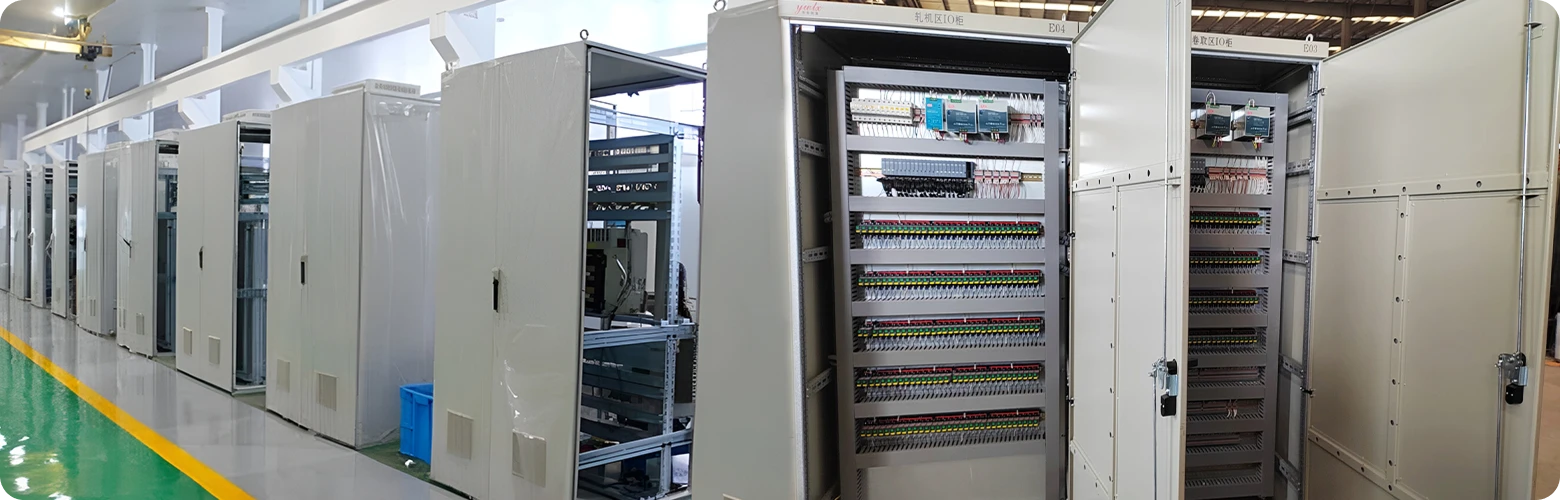
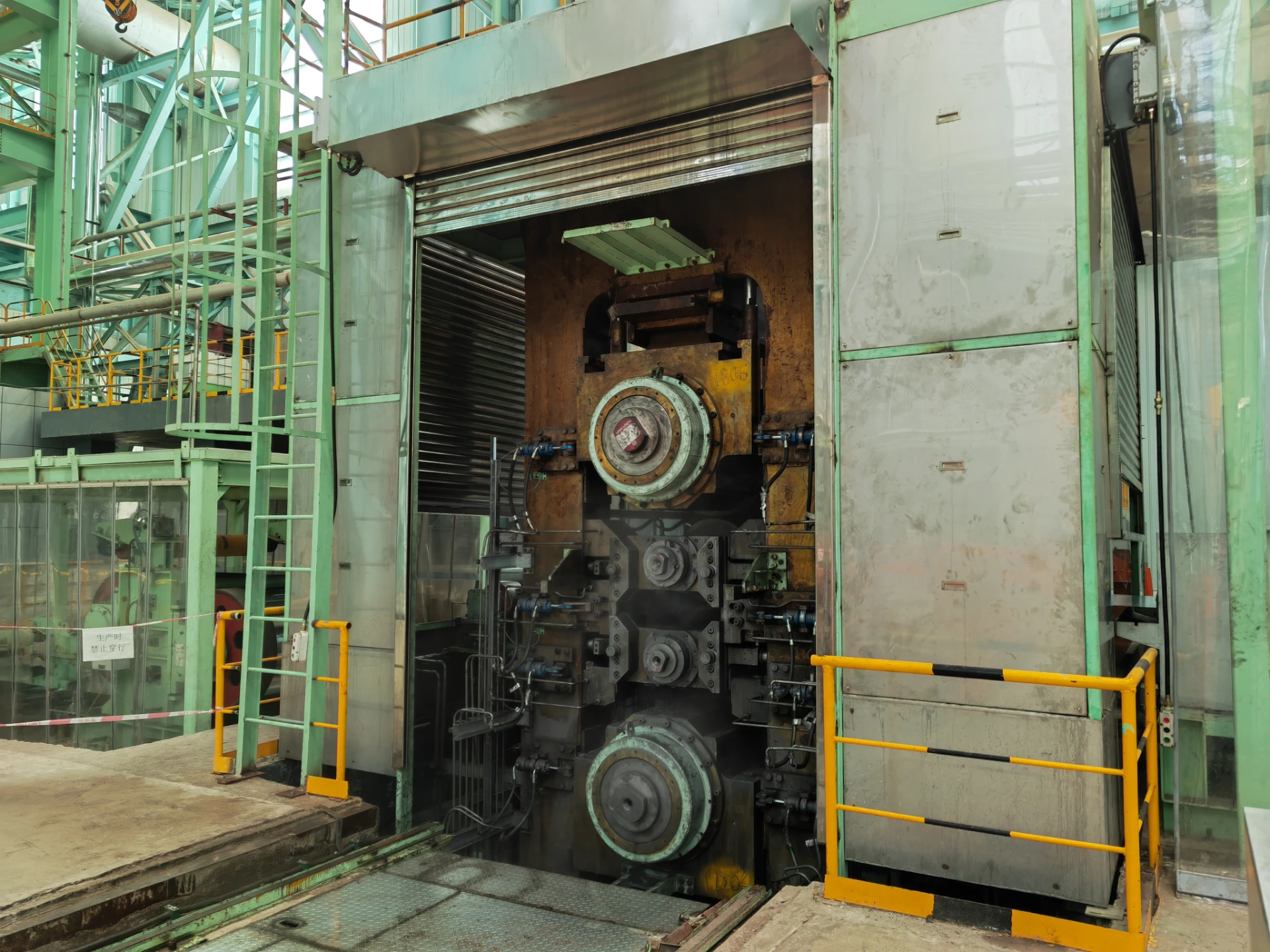
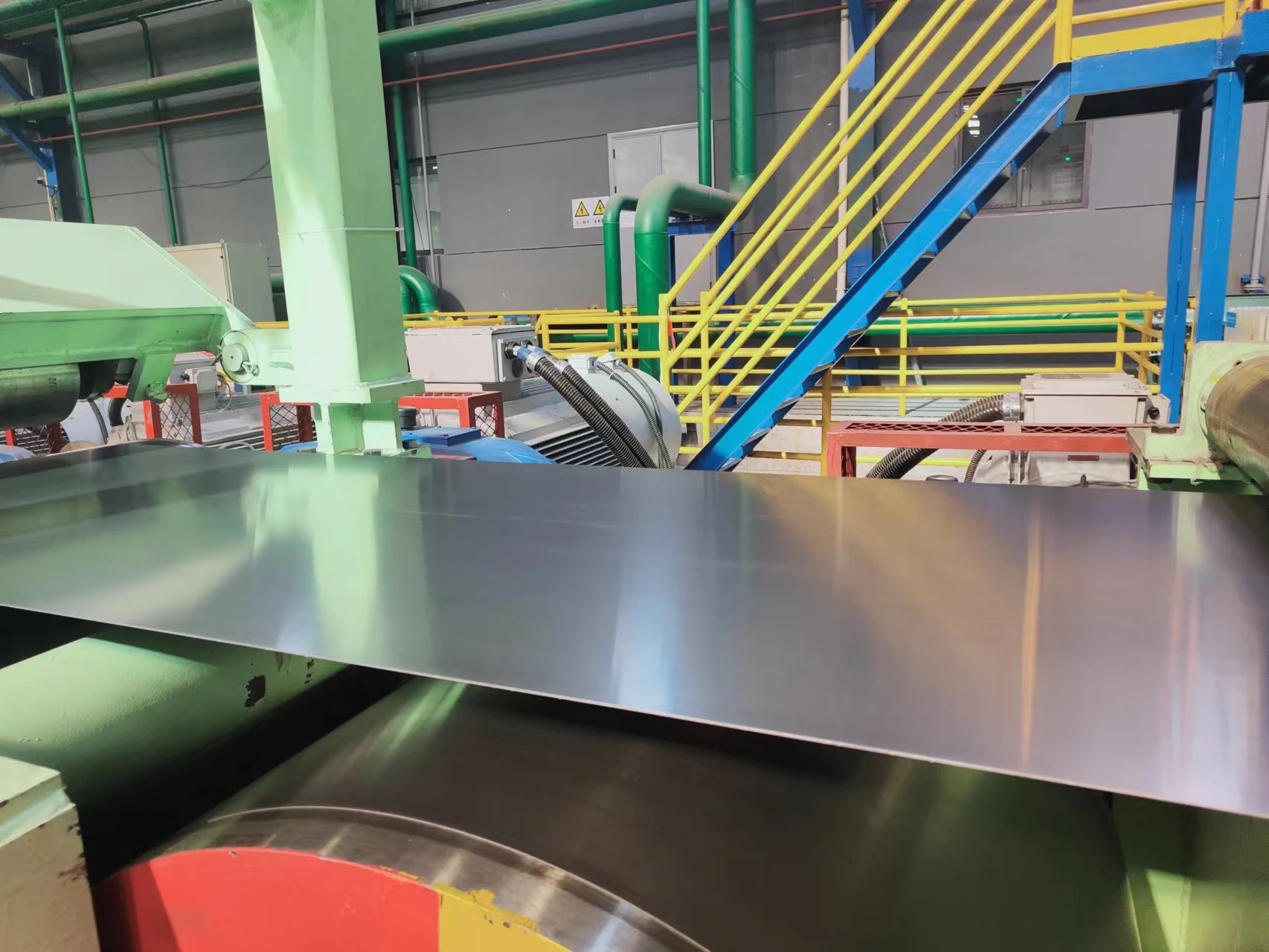
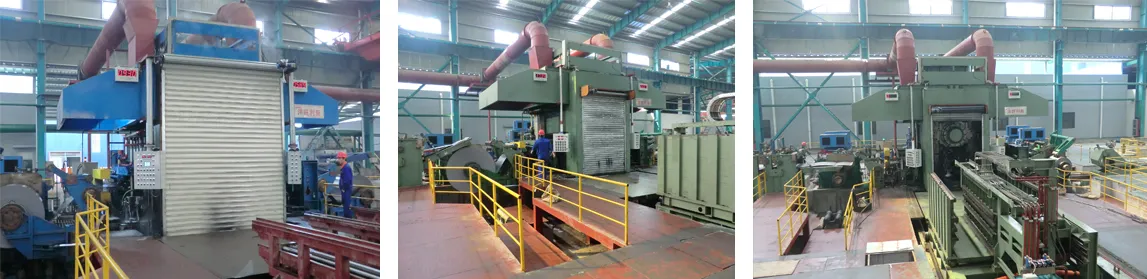
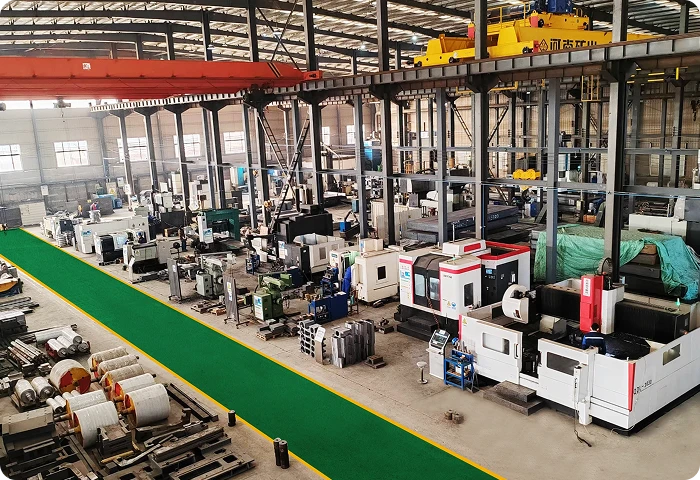
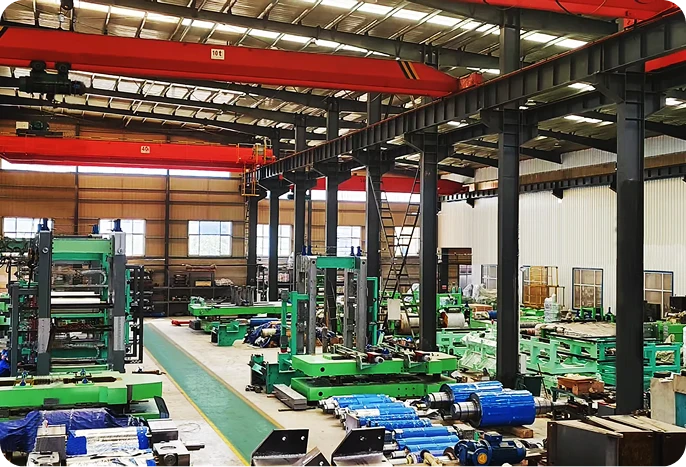
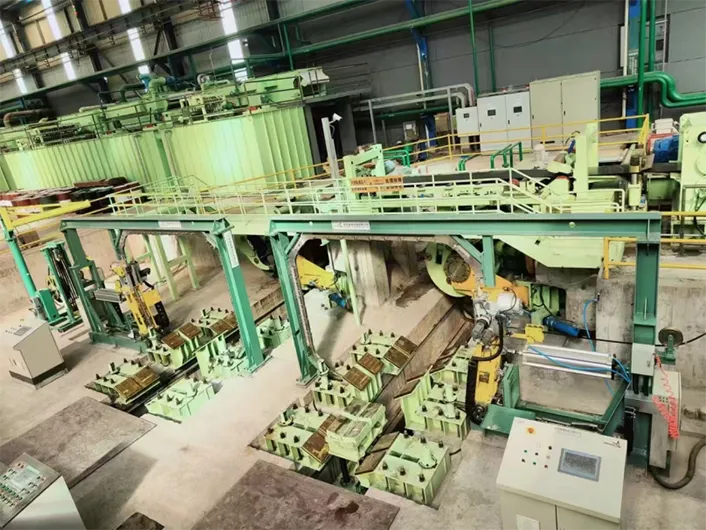
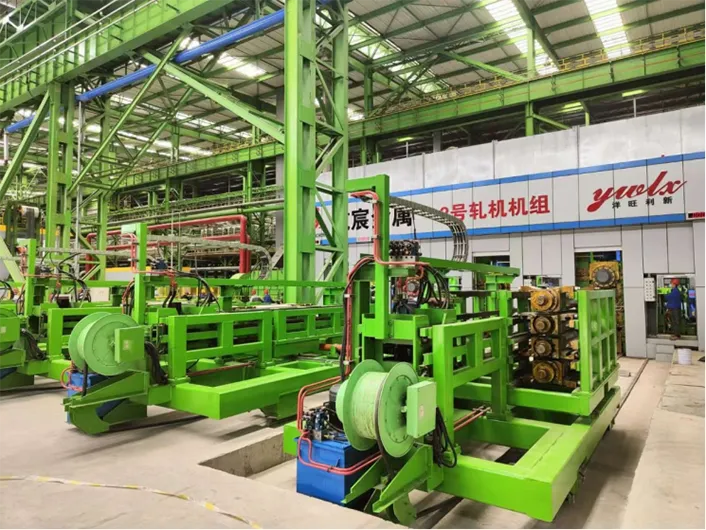
Yang Wang Li Xin operates a state-of-the-art facility over 66,000 square meters,and our manufacturing facility is fully equipped with high-tech machinery and high-capacity cranes. This enables us to handle large work pieces measuring 4.5m in width, 10m in length, and 1.5m in height, guaranteeing our capacity to produce 1800mm skin-pass mills and 1450mm rolling mills. The individual piece can weigh up to 100 tons.


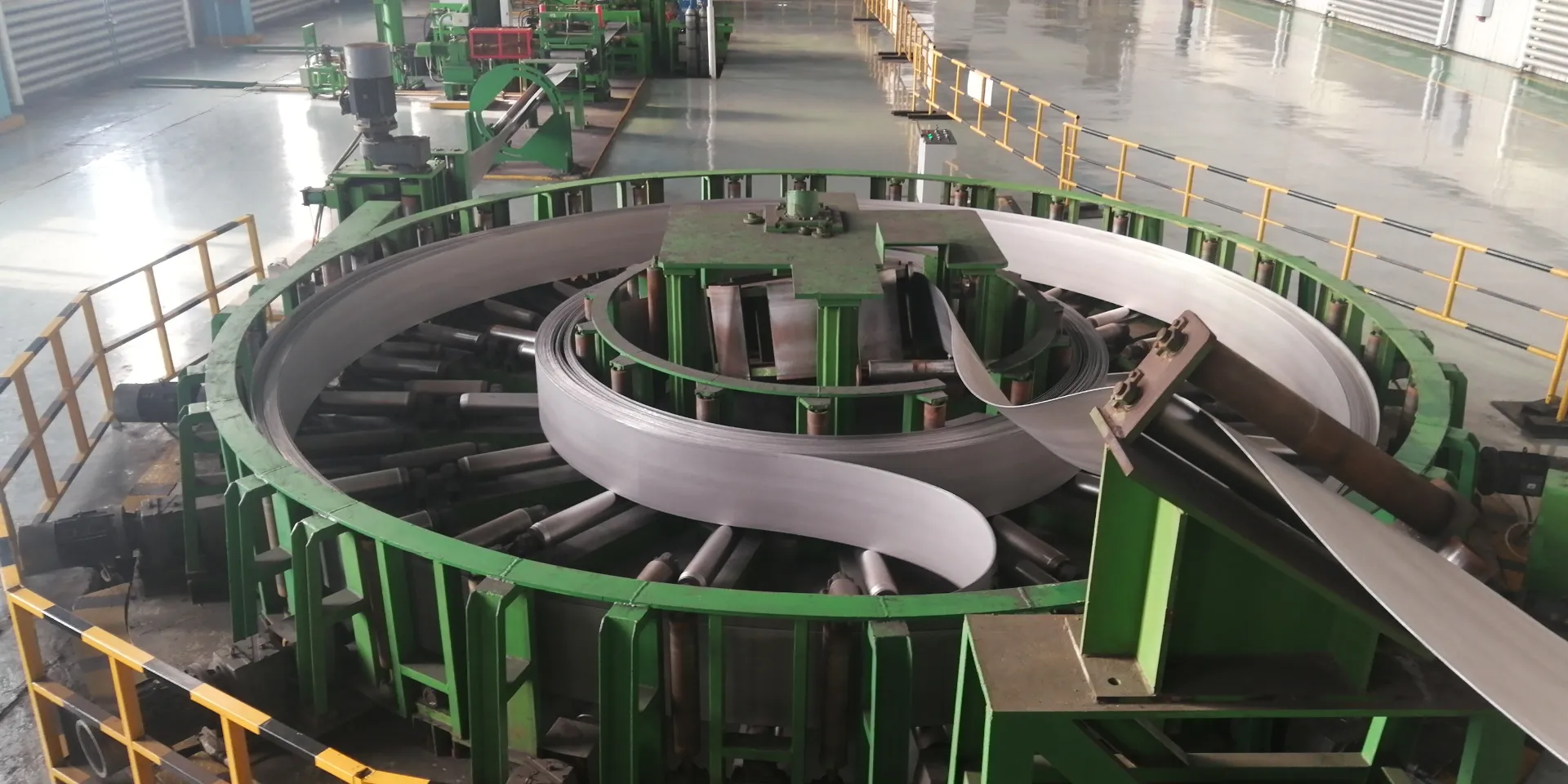
Quality is fundamental to the enterprise survival. We have established a comprehensive and meticulous quality management system and have successfully obtained ISO14000 certification. Starting from the design source, it supervises the entire production cycle, including design, procurement, processing, assembly, in-factory testing, installation, and online commissioning. The workshop is equipped with measuring tools like vernier calipers, spectrometers, hardness testers, and ultrasonic flaw detectors. They are used to check materials and control tolerances to ensure the final equipment meets or exceeds requirements. All products have a unique code, This enables the easy identification and traceability of the equipment components and ensures full control of quality.


-
 chinese mill manufacturerThe landscape of manufacturing has been undeniably shaped by key players across the globe, with Chinese mill manufacturers taking a prominent position due to their remarkable expertise and innovative practices. For businesses worldwide looking for reliable machinery, understanding the unique attributes of Chinese mill manufacturers is essential. This article delves into the experience, expertise,
 -
 Непрерывная кислотная линияНепрерывная линия розлива Современные технологии в сталелитейной промышленности Непрерывная линия розлива (NPL) представляет собой одну из ключевых инноваций в современном производстве сталей и сплавов. Этот метод позволяет значительно увеличить эффективность процесса розлива металлов, минимизируя затраты и улучшая качество получаемых продуктов. В отличие от традиционных методов, которые требуют м
 -
 Optimal Temper Rolling Mill for High-Quality SteelUnderstanding the Modern Temper Rolling Mill in Advanced Metallurgy The temper rolling mill , often referred to as a temper pass mill or skin pass mill, is a crucial component in the production of high-quality flat-rolled steel products. Its primary function is to impart specific mechanical properties and surface characteristics to cold-rolled steel strips, making them suitable for demanding downs


